Interior design is more than a mere arrangement of 室內設計公司 objects and colors; it’s the art of crafting distinctive environments that resonate with personal style and functionality. The modern approach to interior decoration emphasizes creating spaces that not only capture the eye but also cater to the way people live and interact. With an ever-growing array of design tools and trends at one’s disposal, achieving a unique aesthetic has never been more exciting or accessible.
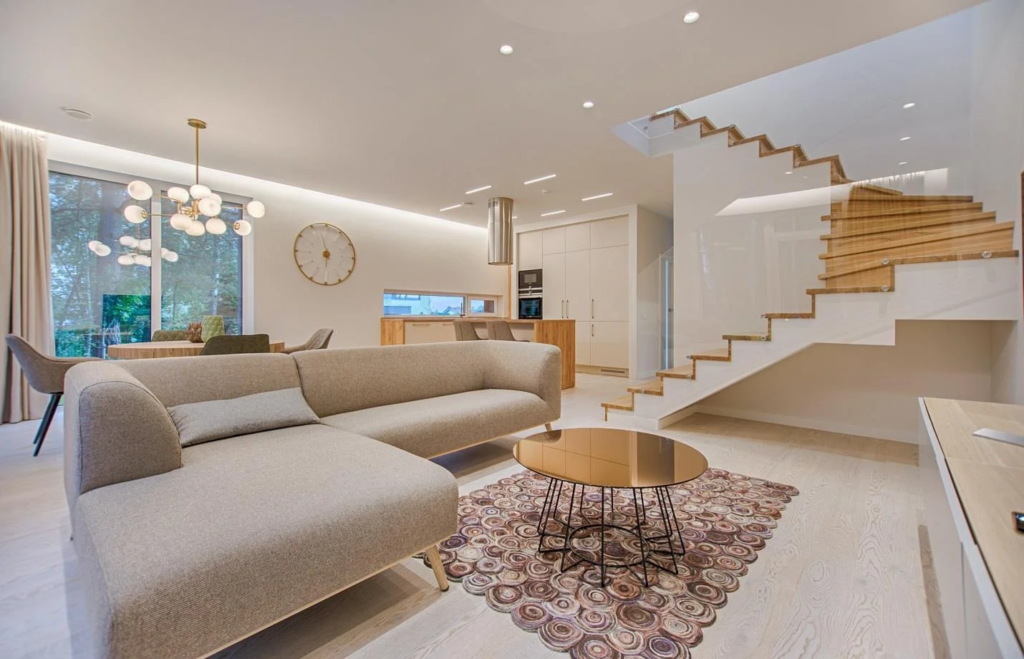
Central to contemporary interior design is the concept of personalization. Gone are the days of one-size-fits-all decor. Today’s interiors reflect individual tastes and preferences through custom elements like handcrafted furniture, tailored fabrics, and bespoke artworks. This shift towards personalization ensures that every room tells a story and becomes a canvas for self-expression. For instance, integrating a collection of personal photographs into a gallery wall or selecting a vibrant rug from a local artisan can infuse a space with personal charm and warmth.
Color and texture are pivotal in defining the mood of a room. Modern design often celebrates the dynamic interplay of various hues and materials to create visual interest and depth. While neutral tones remain popular for their versatility and calming effect, bold colors are increasingly being used to make statements and draw attention. Textural contrasts, such as pairing sleek leather with cozy wool, also play a crucial role in adding dimension and tactile richness to a space. By thoughtfully combining colors and textures, designers can craft environments that are both engaging and soothing.
The arrangement and functionality of furniture are also critical components of modern interior design. Today’s designs frequently emphasize open, adaptable spaces that accommodate multiple uses and activities. Multi-functional furniture, such as extendable dining tables or modular sofas, allows for flexibility and efficiency, particularly in smaller living areas. This approach not only maximizes the usability of a space but also maintains a clean, uncluttered aesthetic that supports an effortless flow throughout the home.
Lighting, often an underestimated aspect of interior design, is essential in shaping the atmosphere of a space. Effective lighting design involves more than just installing fixtures; it’s about strategically placing lights to highlight architectural features, create ambiance, and enhance functionality. Combining different types of lighting—ambient, task, and accent—can transform a room from ordinary to extraordinary. For example, installing dimmable lights in the living area can adjust the mood from vibrant gatherings to intimate, cozy evenings with ease.
In summary, modern interior decoration is an intricate blend of personalization, color, texture, functionality, and lighting. The goal is to create spaces that are not only visually appealing but also tailored to meet the needs and preferences of the occupants. By focusing on these elements, designers can craft environments that reflect individuality, enhance daily life, and offer a unique sanctuary from the outside world. As trends continue to evolve, the essence of exceptional interior design will always be rooted in its ability to create meaningful, distinctive spaces.