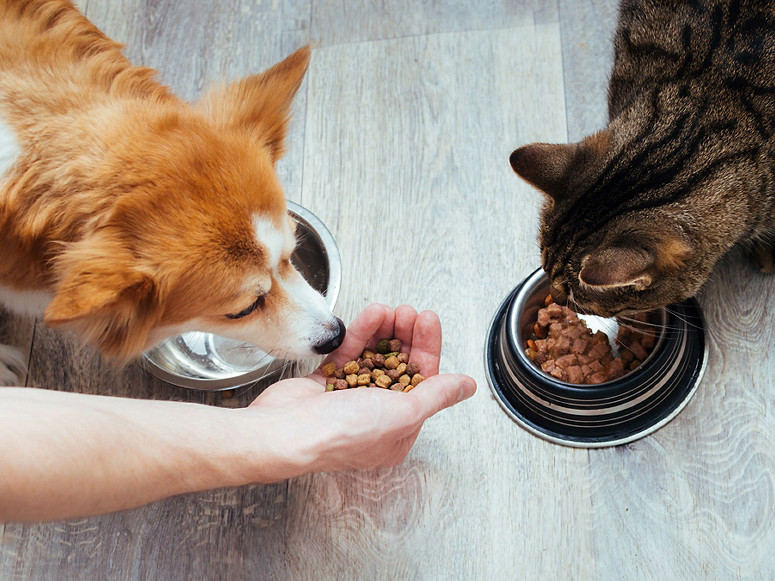
Feeding dogs and cats properly is one of the most important 貓濕糧推薦香港 responsibilities of a pet owner, and understanding their unique dietary needs is key to promoting a healthy and active lifestyle. While both animals require balanced nutrition, their specific nutritional requirements vary due to fundamental biological differences. Cats are obligate carnivores and rely heavily on meat-based proteins, while dogs are omnivores and can digest a wider variety of foods including grains, vegetables, and meats. Providing appropriate food not only ensures physical health but also contributes to a pet’s mental well-being, energy levels, and longevity.
Commercial pet foods come in several forms, with dry kibble and canned wet food being the most common. Dry kibble is convenient, shelf-stable, and beneficial for dental health, especially for dogs who need help reducing plaque buildup. Wet food, on the other hand, contains a higher moisture content, which is crucial for cats who may not drink enough water throughout the day. Some premium brands offer grain-free or high-protein formulas tailored to specific health needs. Additionally, pet foods are often classified by life stage—puppy/kitten, adult, and senior—ensuring that pets receive the right amount of protein, fat, vitamins, and minerals during different stages of development.
Cats require certain nutrients that are not found in sufficient quantities in standard dog food, such as taurine, arachidonic acid, and vitamin A in its active form. Taurine deficiency in cats can lead to serious conditions like heart disease or vision problems. Likewise, dog food may be too low in protein and fat for cats, making it unsuitable as a substitute. Feeding a dog cat food occasionally may not cause immediate harm, but prolonged use can lead to obesity or digestive issues due to the higher fat and protein content. These fundamental differences highlight why feeding species-specific food is essential for long-term health.
The trend of homemade and raw feeding has gained popularity among pet owners who want more control over what goes into their pets’ bowls. A raw diet, often made up of uncooked meats, bones, and organs, is designed to mimic a wild animal’s natural diet. Advocates believe it promotes shinier coats, healthier skin, and improved energy. However, raw feeding carries risks like bacterial contamination and nutritional imbalance if not properly formulated. Homemade meals require precise knowledge of dietary needs and may need supplementation to ensure complete nutrition. Consulting a veterinarian or pet nutritionist is strongly recommended before transitioning to such feeding methods.
Pets with specific health conditions or sensitivities may benefit from therapeutic or prescription diets formulated to manage conditions such as allergies, kidney disease, diabetes, or obesity. These diets are often available through veterinary recommendation and are tailored with specific nutrients or ingredient exclusions. Limited-ingredient diets are especially helpful for identifying allergens, while grain-free and novel-protein diets can alleviate food-related discomfort. Overfeeding and frequent treats can lead to excessive weight gain, so portion control and regular monitoring are necessary. Maintaining an ideal weight through proper feeding supports joint health, cardiovascular function, and overall vitality.
Choosing the best dog or cat food requires a combination of research, observation, and consultation with professionals. Look for products that meet AAFCO (Association of American Feed Control Officials) standards, use high-quality ingredients, and avoid excessive fillers and artificial additives. Watch for signs of dietary success, such as a shiny coat, healthy stool, and consistent energy levels. Every pet is unique, so what works well for one animal may not suit another. By prioritizing nutrition and making informed decisions, pet owners ensure their companions lead healthier, happier lives, full of tail wags, purrs, and joyful momen.