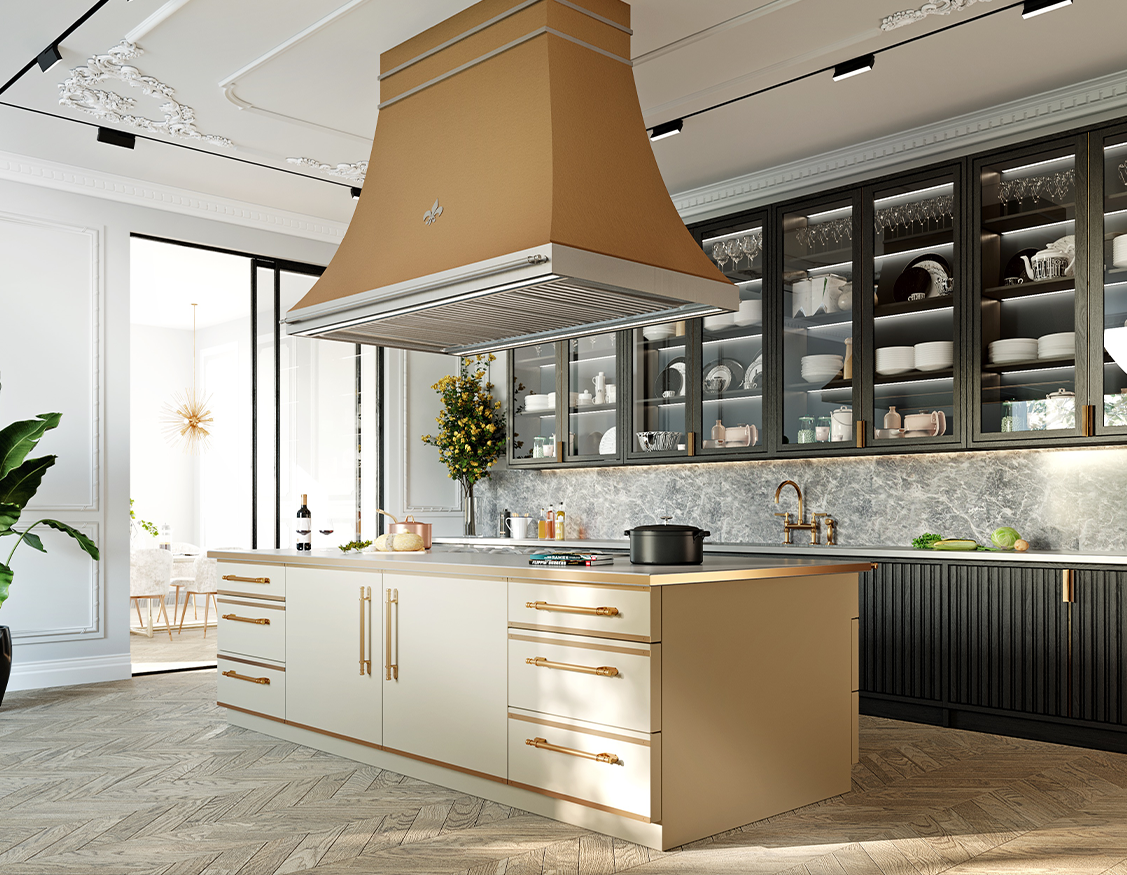
The kitchen has evolved from a mere cooking area to a multi-functional space that blends cooking, socializing, and even work. As one of the most essential rooms in a home, it serves as a space where meals are prepared, family members gather, and memories are created. In today’s homes, the kitchen is often a reflection of personal style and lifestyle TM Italia, blending functionality with aesthetics. Creating an efficient and visually appealing kitchen requires careful planning and design to ensure that it meets the demands of modern life while remaining comfortable and inviting.
Crafting an efficient Kitchen Layout
The layout is the foundation of any functional kitchen, dictating how easily tasks can be completed and how well the space accommodates people. The classic “work triangle” layout, which positions the stove, sink, and refrigerator in a triangle for easy access, is still a favored approach. This layout minimizes the distance between these key points, making movement fluid and reducing unnecessary steps. However, with today’s kitchens often used for multiple purposes, other layouts are also popular.
Open-concept kitchens, for example, integrate the kitchen with adjacent dining or living areas, making it an inviting, accessible space for both family and guests. Other layouts, like the L-shape, U-shape, and galley kitchens, cater to different needs and room sizes. The L-shaped layout is perfect for adding an island, while U-shaped kitchens maximize counter and storage space. The galley layout, typically found in smaller homes or apartments, provides an efficient, linear arrangement that is compact and practical. Choosing the right layout ensures the kitchen serves its purpose effectively.
Kitchen Islands: A Multi-Purpose Feature
Kitchen islands have become a centerpiece in many modern kitchens, offering extra workspace, storage, and seating options. An island provides additional countertop space for meal preparation, a designated area for casual dining, and even a place to incorporate extra appliances like a second sink or wine fridge. In open layouts, the island often serves as a visual boundary, separating the kitchen from the living area while keeping the space open and cohesive.
Islands also provide an opportunity to showcase design style, often serving as the kitchen’s focal point. They can be finished in a contrasting color to the cabinetry or topped with unique materials like marble or wood. With added seating, a kitchen island becomes a social hub, allowing family members and guests to gather, chat, or enjoy a quick meal, making it a highly functional and visually appealing addition.
Maximizing Storage for an Organized Space
Storage is essential in any kitchen, as it allows for easy access to ingredients, cookware, and utensils while keeping the space organized and clutter-free. Modern kitchens incorporate innovative storage solutions, such as pull-out drawers, vertical dividers, and lazy Susans, to make the most of available space. Deep drawers are ideal for pots and pans, while pull-out pantry shelves provide visibility and access to pantry items without the need to reach into the back of a cabinet.
Open shelving is a growing trend that combines function with style, providing storage and display space for frequently used items or decorative pieces. Dedicated pantry cabinets or small walk-in pantries can keep food and bulky appliances out of sight, maintaining a clean, streamlined look. Smart storage solutions make it easy to maintain an organized kitchen, allowing the space to feel both functional and visually appealing.
Embracing Technology with Smart Appliances
As technology advances, the kitchen is becoming smarter and more efficient. Smart appliances, such as ovens that can be controlled via smartphone or refrigerators with internal cameras to monitor contents, add convenience to the kitchen. These appliances make meal preparation easier, conserve energy, and even assist with tasks like recipe suggestions and shopping lists.
Beyond appliances, technology is also improving lighting and water efficiency in the kitchen. Touchless faucets help conserve water by using sensors, while LED lighting is energy-efficient and provides bright, long-lasting illumination. Induction cooktops offer precise temperature control and reduce energy consumption by heating cookware directly. By integrating these smart technologies, homeowners can create a kitchen that is both practical and environmentally friendly.
Choosing Durable and Stylish Materials
The materials chosen for a kitchen are critical to its longevity and appearance. Kitchen surfaces endure constant use and exposure to heat, moisture, and spills, so durability is essential. Countertops, for instance, should be both stylish and resilient. Quartz is a popular choice for its durability and ease of maintenance, while granite offers a more traditional look and can withstand high heat. Marble, though elegant, requires more upkeep but can add a luxurious touch to the kitchen.
Cabinet materials are equally important, with options ranging from solid wood to laminate finishes. Two-tone cabinets, where upper and lower cabinets have different colors, are trendy and add visual depth. Backsplashes, whether in subway tiles, glass, or stone, provide a decorative element while protecting the walls from cooking splatters. Choosing the right combination of materials helps create a balanced, attractive kitchen that reflects personal style.
Sustainable Design for an Eco-Friendly Kitchen
Sustainable design is increasingly popular in kitchen remodeling, as homeowners seek eco-friendly options that reduce environmental impact. Recycled materials, such as reclaimed wood for cabinets or recycled glass countertops, are both sustainable and stylish. Bamboo, a renewable resource, is another eco-friendly option for cabinetry and flooring, offering durability and a warm, natural look.
Energy-efficient appliances and lighting fixtures contribute to a greener kitchen by conserving energy and water. ENERGY STAR-rated refrigerators, dishwashers, and ovens consume less energy, lowering utility costs and carbon footprint. LED lights, now commonly used in kitchens, are another energy-efficient choice, using significantly less electricity than traditional bulbs. By embracing sustainable options, homeowners can create an eco-conscious kitchen that aligns with modern values of environmental responsibility.
Personalizing Your Kitchen Space
The kitchen is one of the most personal spaces in a home, and adding finishing touches can transform it into a space that feels uniquely yours. Lighting fixtures, cabinet handles, and even seating can reflect your personal style. Pendant lights over the island or unique cabinet knobs can add character and create a focal point. Similarly, bar stools in a distinctive material or color can enhance the kitchen’s aesthetic and provide comfortable seating.
Plants and herbs are excellent additions, bringing life and freshness to the kitchen. Open shelving can be used to display cookbooks, decorative plates, or favorite dishes, adding warmth and personality. These details make the kitchen not only functional but also inviting, turning it into a space where creativity and social connections can thrive.
Designing a Kitchen That Fits Your lifestyle
A well-designed kitchen should align with the lifestyle of those who use it. For cooking enthusiasts, ample counter space, organized storage, and high-quality appliances are essential. Families may prioritize durability, ease of cleaning, and seating for quick meals or homework sessions. Those who love to entertain will likely want a spacious island, wine storage, and an open layout that makes it easy to host guests.
The kitchen is a dynamic space, and every detail—from the layout and materials to the appliances and decor—contributes to its overall feel and functionality. By carefully considering how the space will be used and selecting elements that reflect personal style, homeowners can create a kitchen that is not only beautiful but also enhances their daily routines and lifestyle. The modern kitchen goes beyond mere functionality; it is a space for gathering, creating, and enjoying every day.