Dried seafood is more than just a method of 肚公 preservation—it’s a culinary tradition that spans across continents and cultures. This age-old practice transforms fresh catch into flavorful, long-lasting ingredients that are integral to various cuisines worldwide. From the bustling markets of Southeast Asia to the quaint fishing villages of the Mediterranean, dried seafood holds a special place in global gastronomy, offering a unique taste of history and heritage.
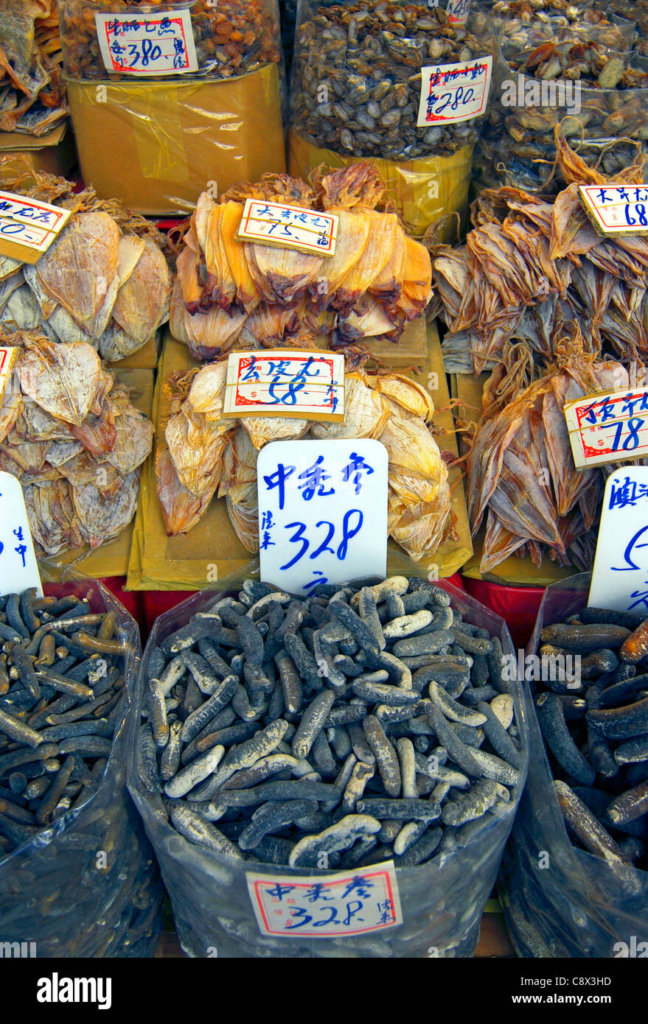
In many Asian cultures, dried seafood is a staple, revered for both its taste and utility. Ingredients such as dried shrimp, squid, and fish are fundamental to many traditional dishes. For example, dried shrimp, or “hei bi” in Cantonese, is often used to add a robust umami flavor to soups, stews, and stir-fries. The process of drying these seafood items not only enhances their flavors but also extends their shelf life, making them essential for both daily meals and festive occasions. This method of preservation also allows for the storage of seasonal catches, ensuring that seafood remains a part of the diet throughout the year.
The Mediterranean region, too, boasts a rich tradition of drying seafood. In Italy, dried fish and cod, known as “baccalà, ” have been integral to the cuisine for centuries. This preservation technique was originally developed to allow fish to be transported and stored without refrigeration. Baccalà is often rehydrated and used in various dishes, from classic Italian stews to contemporary seafood pasta. The drying process not only imbues the fish with a distinctive taste but also serves as a testament to the ingenuity of early preservation methods.
In South america, particularly along the coast of Peru, dried seafood plays a significant role in the local diet. The indigenous peoples have long relied on dried fish, or “charqui de pescado, ” as a vital food source. This practice is deeply embedded in their culinary traditions, with dried fish often featured in traditional stews and soups. The method of drying seafood in this region typically involves exposing it to the sun and wind, a process that imparts a unique flavor profile and makes the seafood suitable for long journeys and storage.
Beyond its culinary applications, dried seafood is also a cultural artifact, representing the ingenuity and adaptability of various societies. The practice of drying fish and other seafood items is not merely about preservation but also about creating a culinary bridge between past and present. It reflects the resourcefulness of communities that have developed these techniques out of necessity and a deep understanding of their environment. In many cultures, the art of drying seafood is celebrated and passed down through generations, serving as a link to their ancestors and a testament to their enduring culinary heritage.
In conclusion, dried seafood is much more than a preserved ingredient; it is a rich, cultural tradition that reflects the diverse ways in which humanity has adapted to its environment. Whether through the intricate drying techniques of Asia, the historical practices of the Mediterranean, or the traditional methods of South america, dried seafood continues to be a flavorful, essential component of global cuisine. It connects us to the past, enriches our present culinary experiences, and ensures that the traditions of our ancestors remain alive and well in our modern kitchens.