Disinfection is a cornerstone of public health and safety, playing a crucial role in preventing the spread of infections and ensuring clean environments. In various settings, from healthcare facilities to everyday households, understanding and implementing effective 清潔公司報價 disinfection strategies can significantly impact overall well-being. This article delves into the essential aspects of disinfection, including methods, best practices, and considerations for maintaining a healthy environment.
At its core, disinfection is the process of using chemical agents or physical methods to destroy or deactivate harmful microorganisms on surfaces. Unlike cleaning, which removes dirt and debris, disinfection specifically targets pathogens that can cause illness. Commonly used disinfectants include chlorine bleach, hydrogen peroxide, and alcohol-based solutions. Each disinfectant has distinct advantages: bleach is highly effective against a wide range of pathogens but may not be suitable for all surfaces due to its corrosive properties, while alcohol-based disinfectants are ideal for quick-drying applications and sensitive areas like electronics. Choosing the appropriate disinfectant depends on the surface type, the nature of the microorganism, and the specific requirements of the environment.
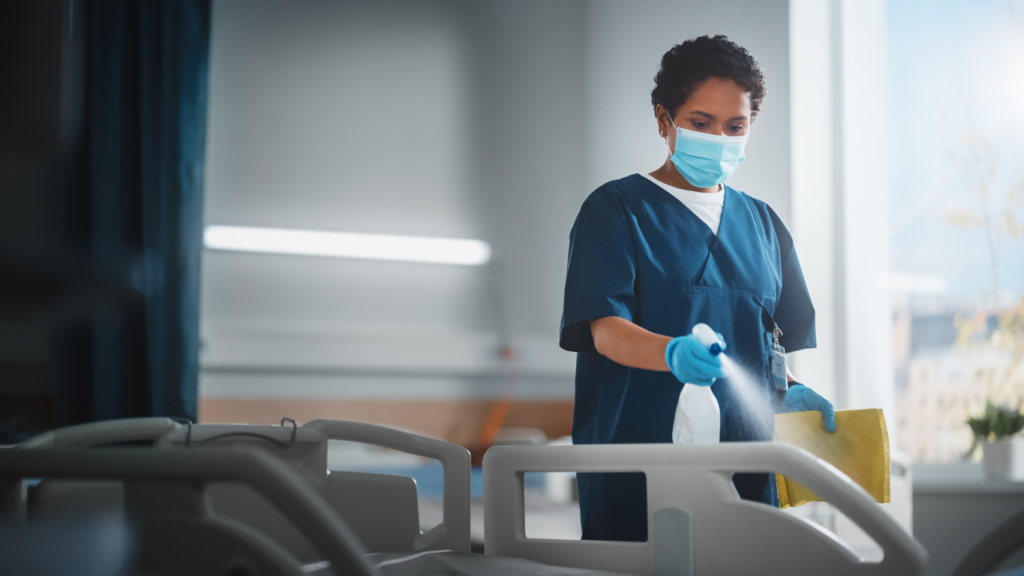
The effectiveness of disinfection is significantly influenced by the method of application. Two primary techniques are spraying and wiping. Spraying allows for even coverage over large areas but might not reach into small crevices, which are common in high-touch surfaces like doorknobs and light switches. Wiping ensures direct contact with surfaces, allowing for thorough disinfection but can be labor-intensive. Regardless of the method, it is vital to adhere to the manufacturer’s instructions regarding the concentration of the disinfectant and the contact time required for effective pathogen elimination. Following these guidelines ensures that the disinfectant has adequate time to act and achieve the desired level of sanitation.
Timing and frequency are critical components of a successful disinfection regimen. Most disinfectants require a specific dwell time to effectively neutralize pathogens. This duration can vary, so it’s important to follow the product instructions precisely. Additionally, routine disinfection, particularly in high-touch areas, helps to reduce the risk of pathogen transmission. Establishing a consistent schedule for disinfecting frequently touched surfaces, such as countertops, faucets, and electronic devices, can significantly mitigate the risk of infections. This routine is especially important in settings with high foot traffic or where people frequently interact.
Proper training and adherence to safety protocols are also essential for effective disinfection. Individuals responsible for cleaning and disinfecting should be trained on the correct use of disinfectants, including understanding proper dilution ratios, application techniques, and safety measures. Personal protective equipment (PPE), such as gloves and masks, should be used to protect against chemical exposure and ensure safe handling of disinfectants. Educating staff and individuals about the importance of disinfection and proper procedures can enhance the overall effectiveness and safety of the process.
In conclusion, effective disinfection is vital for maintaining a clean and healthy environment. By selecting the appropriate disinfectants, applying them correctly, and adhering to recommended practices, individuals and organizations can significantly reduce the risk of infection. Regular disinfection, combined with proper training and safety measures, plays a crucial role in safeguarding public health. As we continue to face new health challenges, staying informed and diligent about disinfection practices remains a key strategy for promoting well-being and preventing the spread of diseases.