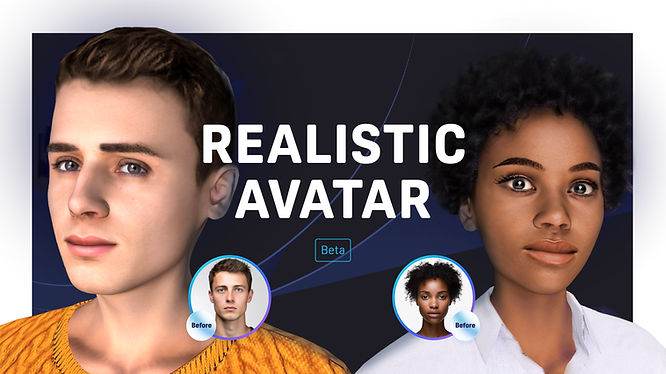
Avatars are more than just digital images; they are extensions of our identity and a way to communicate who we are—or who we want to be—in virtual spaces. The style of avatar you choose can reveal a lot about your personality, emotions, and ai avatar video creator even your social intentions. Understanding the psychology behind avatar selection can help you create a digital persona that not only looks good but also resonates authentically with both yourself and your audience.
Reflecting Identity and Self-Perception
One of the primary reasons people choose specific avatar styles is to reflect their self-perception. Some opt for realistic avatars that mirror their actual appearance, seeking authenticity and connection. Others prefer exaggerated or fantastical styles that represent their ideal selves or explore different facets of their personality. This choice is rooted in psychological concepts like self-expression and identity formation, where digital avatars become tools for experimenting with and affirming who we are.
The Influence of Social Context and Audience
The style of your avatar often changes depending on where and how you intend to use it. In professional settings, users might choose polished, realistic avatars to convey competence and trustworthiness. Conversely, in casual or gaming environments, playful and stylized avatars are popular as they encourage fun and social bonding. This dynamic illustrates social psychology principles, where individuals adjust their self-presentation to fit audience expectations and social norms.
Emotional Expression Through Design Choices
Colors, facial expressions, and styles in avatars can communicate emotions and moods. Bright colors and smiling expressions typically convey positivity and approachability, while darker tones and neutral faces might suggest seriousness or mystery. People subconsciously select avatar features that align with their current emotional state or the impression they want to project, making avatar design a subtle yet powerful form of emotional communication.
The Role of Personal Aspirations and Fantasy
For many, avatars provide an opportunity to embody traits or lifestyles they aspire to in real life. This might mean choosing heroic, futuristic, or whimsical designs that allow for escapism and creativity. This aspect taps into the psychological need for fantasy and imagination, offering a safe space to explore alternate identities, build confidence, and fulfill unmet desires through digital representation.
Impact of Cultural and Societal Factors
Cultural background and societal influences also shape avatar style preferences. Different cultures have varying norms about appearance, modesty, and symbolism, which can affect how individuals design their avatars. Additionally, trends in media, fashion, and technology play a role in popular avatar aesthetics. Recognizing these factors helps explain why avatar styles vary widely and how social environments shape our digital identities.
How Understanding Psychology Enhances Avatar Creation
By understanding the psychological motivations behind avatar choices, creators and users can make more intentional decisions when designing avatars. This insight leads to avatars that feel more authentic, relatable, and effective in communication. Whether for personal use or professional branding, leveraging psychology in avatar design enhances your ability to connect meaningfully in digital spaces.
Choosing your avatar style is a psychological journey that reflects who you are, who you want to be, and how you relate to others. By tapping into these underlying factors, you can create a digital persona that is not only visually appealing but also deeply resonant. Ready to explore your own avatar psychology? Let’s dive into the design process with new insight!